
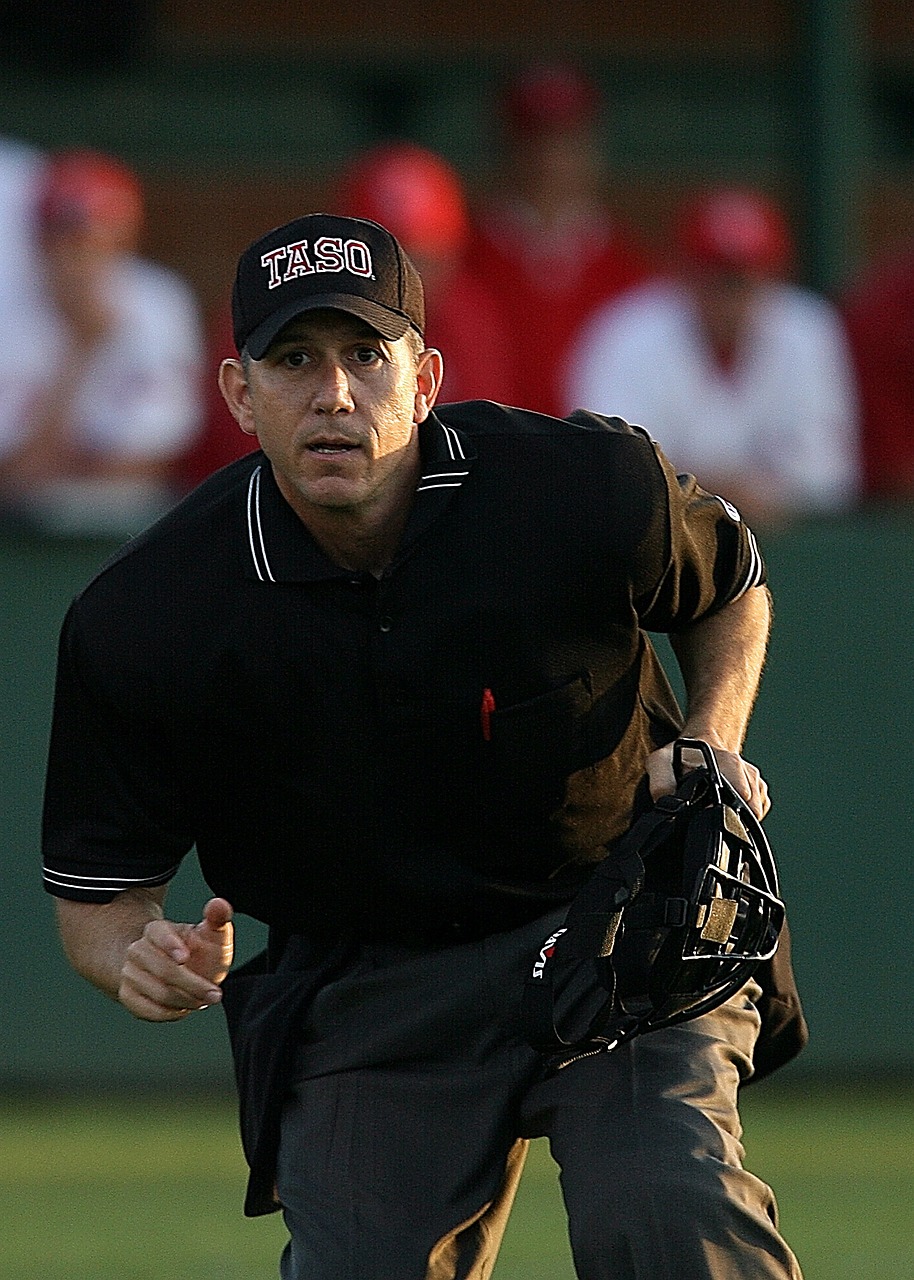
Meet one of the most controversial rules in baseball: the infield fly rule.
The infield fly is complicated, designed to prevent infielders from intentionally dropping a popup with more than one runner on base to attempt to get an extra out.

According to the Major League Baseball Rule book—which most youth leagues and organizations, including USSSA, roll up to for this rule—the infield fly rule states:
An INFIELD FLY is a fair fly ball (not including a line drive nor an attempted bunt) which can be caught by an infielder with ordinary effort, when first and second, or first, second and third bases are occupied, before two are out. The pitcher, catcher and any outfielder who stations himself in the infield on the play shall be considered infielders for the purpose of this rule.
When it seems apparent that a batted ball will be an Infield Fly, the umpire shall immediately declare “Infield Fly” for the benefit of the runners. If the ball is near the baselines, the umpire shall declare “Infield Fly, if Fair.”
The ball is alive and runners may advance at the risk of the ball being caught, or retouch and advance after the ball is touched, the same as on any fly ball. If the hit becomes a foul ball, it is treated the same as any foul.
If a declared Infield Fly is allowed to fall untouched to the ground, and bounces foul before passing first or third base, it is a foul ball. If a declared Infield Fly falls untouched to the ground outside the baseline, and bounces fair before passing first or third base, it is an Infield Fly.
On the infield fly rule the umpire is to rule whether the ball could ordinarily have been handled by an infielder—not by some arbitrary limitation such as the grass, or the base lines.
The umpire must rule also that a ball is an infield fly, even if handled by an outfielder, if, in the umpire’s judgment, the ball could have been as easily handled by an infielder. The infield fly is in no sense to be considered an appeal play.
The umpire’s judgment must govern, and the decision should be made immediately. When an infield fly rule is called, runners may advance at their own risk.
If on an infield fly rule, the infielder intentionally drops a fair ball, the ball remains in play despite the provisions of Rule 6.05 (L). The infield fly rule takes precedence.
Let’s go through it piece by piece and answer some of the most common questions about the infield fly rule.
When is the infield fly rule in effect?
The infield fly rule is in effect with less than 2 outs in the inning and a runner on first and second.
It is not in effect with any of these situations:
- no runners on base
- a runner on first base only
- if there are 2 outs in the inning
As the rule states: “An INFIELD FLY is a fair fly ball (not including a line drive nor an attempted bunt) which can be caught by an infielder with ordinary effort, when first and second, or first, second and third bases are occupied, before two are out.”
How does the infield fly rule work?
An umpire—it doesn’t matter his position—makes the infield fly call. He calls this if he determines the pop up is routine.
Here is how the rule states it: “An INFIELD FLY is a fair fly ball (not including a line drive nor an attempted bunt) which can be caught by an infielder with ordinary effort, when first and second, or first, second and third bases are occupied, before two are out. The pitcher, catcher and any outfielder who stations himself in the infield on the play shall be considered infielders for the purpose of this rule. When it seems apparent that a batted ball will be an Infield Fly, the umpire shall immediately declare ‘Infield Fly’ for the benefit of the runners.“
It’s important that he makes this decision quickly and voices it loudly, so the runners know they do not need to advance to the next base because the batter is automatically out, whether the fielder catches the ball or not.
Do runners have to tag up on infield fly rule?
If an umpire has called in the infield fly rule, the runners should return to their bags. However, it does still matter if the ball is caught.

Why?
Because normal fly ball rules still apply even after the ball comes down—it is NOT A DEAD BALL.
As the rule states: “The ball is alive and runners may advance at the risk of the ball being caught, or retouch and advance after the ball is touched, the same as on any fly ball.”
Does the infield fly rule apply to bunts?
No, the infield fly rule does not apply to bunted balls.
As the first clause in the rule mentions: “An INFIELD FLY is a fair fly ball (not including a line drive nor an attempted bunt) which can be caught by an infielder with ordinary effort, when first and second, or first, second and third bases are occupied, before two are out.”
What happens if you drop the ball after an infield fly rule?
If the ball is dropped by the fielder, runners can advance even if they did not “tag up.”
As the rule states: “The ball is alive and runners may advance at the risk of the ball being caught, or retouch and advance after the ball is touched, the same as on any fly ball.“
What happens if the ball is caught after an infield fly rule?
If the ball is caught, runners must tag up on the previous base before advancing.
As the rules states:
“The ball is alive and runners may advance at the risk of the ball being caught, or retouch and advance after the ball is touched, the same as on any fly ball.“
What happens if the ball goes foul after an infield fly call?
If a ball goes foul after the umpire has called the infield fly rule, the infield fly ruling is negated and it is treated as a normal foul ball.
So if it is caught, runners must tag up before advancing. If it is dropped, it is a dead ball and the play is over.
“If the ball is near the baselines, the umpire shall declare ‘Infield Fly, if Fair.’ …If the hit becomes a foul ball, it is treated the same as any foul. If a declared Infield Fly is allowed to fall untouched to the ground, and bounces foul before passing first or third base, it is a foul ball. If a declared Infield Fly falls untouched to the ground outside the baseline, and bounces fair before passing first or third base, it is an Infield Fly.“
What if an outfielder catches a ball after Infield fly is called?
If the infield fly rule has called, it stands, even if an outfielder ends up catching or fielding the ball.
“The umpire must rule also that a ball is an infield fly, even if handled by an outfielder, if, in the umpire’s judgment, the ball could have been as easily handled by an infielder.”
Does an infield fly have to be on the dirt part of the field?
No, the ball does not have to be on the dirt or grass to be ruled an infield fly.
As the rule states: “On the infield fly rule the umpire is to rule whether the ball could ordinarily have been handled by an infielder—not by some arbitrary limitation such as the grass, or the base lines.”
Why no infield fly rule with runner on first?
There is no infield fly rule with a runner on first because there is virtually no way to turn a double play. So under normal circumstances, the result will be the same if the fielder drops the ball or catches it—a runner on first with an additional out in the inning.
To tease this out further—if a routine fly ball in the infield is dropped, and the runner on first base does the correct thing and waits on or close to first base, the defense can get that runner out by tagging second base after the drop—resulting in one out and a runner on first (the batter who hit the fly ball).
The defense may choose to do this if the runner on first is considered faster than the batter, as Ian Kinsler does here: Ian Kinsler Drops Ball on Purpose
This is a legal play when there is only a runner on first.
Can a coach appeal an infield fly rule?
A coach or player cannot appeal an infield fly rule, since it is a judgement call.
As the rule clearly states: “The infield fly is in no sense to be considered an appeal play. The umpire’s judgment must govern, and the decision should be made immediately.“
Is there an infield fly rule with two outs?
There cannot be an infield fly call with two outs.
If there are runners on first and second base and the ball is put in play with two outs, they should advance to the next base regardless of if the ball looks like a routine catch or not.
Again, the rule states at the beginning: “An INFIELD FLY is a fair fly ball (not including a line drive nor an attempted bunt) which can be caught by an infielder with ordinary effort, when first and second, or first, second and third bases are occupied, before two are outs.“